
Dungeons & Dragons Therapy Program

Where Evidence-Based Therapy Meets Adventure

Our Dungeons & Dragons (D&D) therapy program is a unique adjunct to individual DBT and RO-DBT treatment. It combines the proven skills of Dialectical Behavior Therapy with the social, creative, and interpersonal dynamics of tabletop role-playing - creating a therapeutic space that is both structured and genuinely fun.

We realize D&D isn't for everyone. It is not a requirement for therapy, just something we are excited to be able to offer.

Join the Program

Why D&D in Therapy?

Research on Dungeons & Dragons as a behavioral intervention is still in its early stages, but it is believed to effectively address the social isolation often associated with disorders of over-control such as OCPD and anorexia nervosa. D&D provides structure, fosters social engagement, and allows participants to experiment with new roles and behaviors in a safe, supportive environment.

Interestingly, fun itself is an evidence-based intervention in treating disorders of over-control. In RO-DBT, social signaling, connection, and play are considered essential to wellbeing. Our D&D groups are designed to provide exactly these experiences as an adjunct to ongoing treatment.

1

Social Connection

D&D is inherently collaborative. Players work together toward shared goals, negotiate differences, celebrate victories, and navigate failures as a team. For those who struggle with social isolation or rigid patterns of relating, the game provides a natural, low-stakes context to practice connection and cooperation.

2

Role Experimentation

Playing a character allows you to safely try out new behaviors, emotions, and ways of relating - things that might feel too risky in everyday life. This "as if" quality of role-playing can help loosen rigid self-perceptions and expand your sense of what is possible for yourself.

3

DBT Skills in Action

Sessions are facilitated by a licensed clinician who integrates DBT skills naturally into gameplay. Mindfulness, interpersonal effectiveness, distress tolerance, and emotion regulation all show up organically during the course of an adventure - so you practice skills in a real context rather than just talking about them.

4

Fun as a Clinical Tool

RO-DBT research has identified that the capacity to experience and express joy and play is impaired in many disorders of over-control. Joyful group engagement is not a side effect of D&D therapy - it is the point. We take fun seriously.

Who Is This Program For?

Our D&D groups are open to current and prospective clients of the Katy DBT Center who are interested in participating. The program is particularly well-suited for individuals receiving RO-DBT for disorders of over-control, adolescents working on social skills and peer connection, and adults who experience social isolation or difficulty with flexible relating.

No prior D&D experience is required. We welcome complete beginners and longtime players alike. Our facilitators will guide you through everything you need to know.

Schedule a Free Consultation

Playing D&D in a therapeutic setting provides structure, social engagement, and experimentation of new roles and behaviors in a safe environment. Groups are facilitated by a licensed therapist.

Mental Health Benefits of Therapeutic D&D

There are many mental health benefits to D&D as therapy, including improving social skills, navigating conflict, learning to express and assert yourself, relaxing control, and so much more.


Additionally, fun is an important, evidence-based intervention that treats disorders of over-control, such as obsessive-compulsive personalty disorder and anorexia nervosa. The Katy DBT Center’s D&D groups address the social isolation that often accompanies these disorders.


By working on social relationships with others, players develop their capacities to form long-lasting social bonds, share valuable resources, and work together. Joining in communal activities, like D&D, sends a powerful message to our brain—that we are part of a tribe and accepted.


D&D groups provide therapeutic tools and are used in conjunction with Radically Open DBT provided within the program.
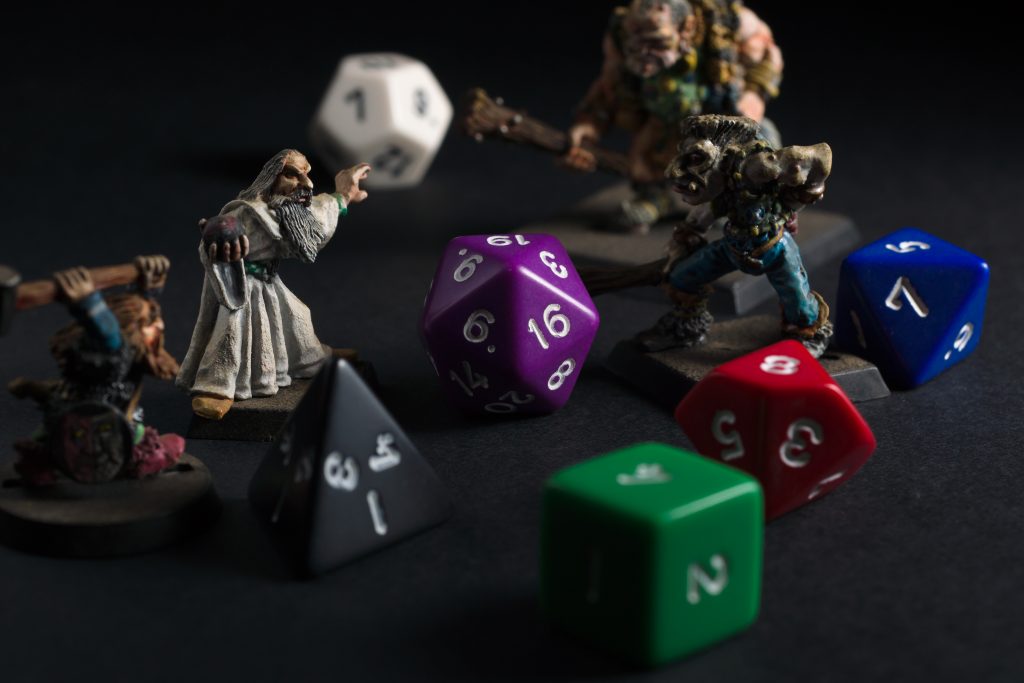
Practicing the art of non-productivity

Being able to laugh and chuckle—even at our own foibles—is a sign of good mental health. Being able to do this non-judgmentally is essential for healthy self-esteem and rewarding friendships.


Practicing new ways of expressing ourselves, even moving our bodies, helps break down over-learned inhibitory responses that act as a barrier to social connection.

Play has been a vital part of human life for millennia. It allows us to repeat, rehearse, exaggerate, and experiment with new behavior.

What does it mean to be “over-controlled?”

Over-controlled personalities exhibit too much self-control, behavioral and cognitive inflexibility, inhibited emotions, detail-focused processing, and perfectionism.


Over-controlled coping develops because it initially leads to success, as self-control is highly valued by society. However, disorders of overcontrol can lead to social isolation and long-term depression.


Group Therapy with D&D provides a safe place to become uninhibited and to try out new behaviors, free of consequence.